
MassTort Traffic

Baby Formula NEC

NEC Baby Formula Lawsuit: Everything You Need to Know in 2025

Published

on

Nec Baby Formula Lawsuit

Parents of premature infants who developed necrotizing enterocolitis (NEC) after consuming certain baby formulas are seeking justice through lawsuits against major formula manufacturers like Similac and Enfamil. Studies have linked cow’s milk-based formulas to an increased risk of NEC in preterm babies, leading many families to take legal action.

In this article, we’ll break down what the NEC baby formula lawsuit is, the most recent updates, and what parents can do if their infant was affected.

What is NEC and Why is it Dangerous?

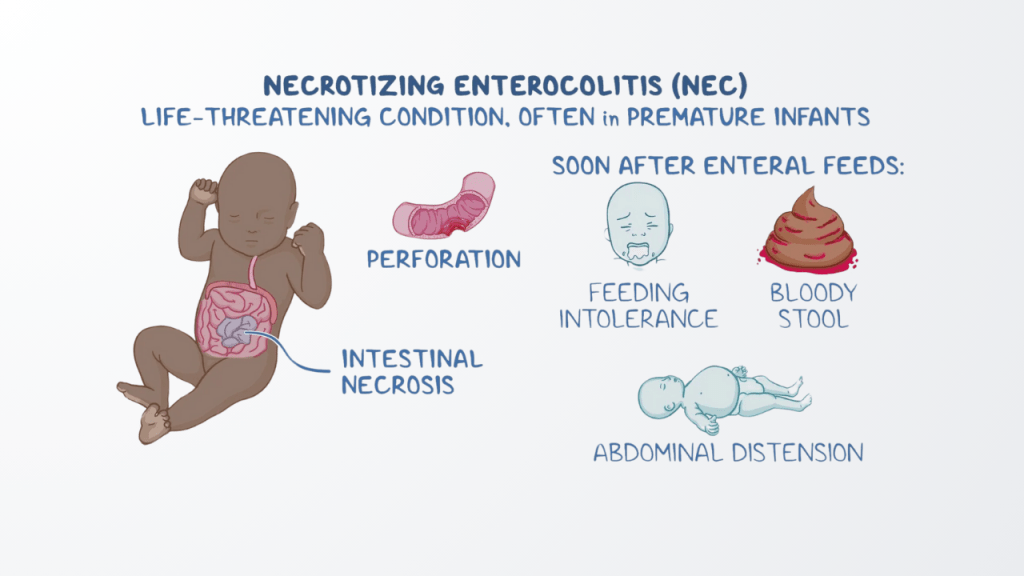
  • Necrotizing enterocolitis (NEC) is a serious intestinal disease that primarily affects premature and low birth weight infants. It causes inflammation and infection, which can lead to the destruction of the intestines. In severe cases, NEC can result in:
  • Infections
  • Intestinal perforation
  • Sepsis
  • Long-term health issues
  • Death (in up to 30% of cases)

NEC symptoms can begin with feeding intolerance, and in many cases, babies with this condition require emergency surgery to remove the damaged part of the intestine.

Link Between NEC and Baby Formula

Several studies have shown a direct link between feeding premature infants cow’s milk-based formulas like Similac and Enfamil, and a higher risk of NEC. Babies fed these formulas were more likely to develop NEC compared to those who were fed breast milk.

In fact, research dating as far back as 1990 indicated that formula-fed preemies are 6 to 10 times more likely to develop NEC than those who are exclusively breastfed. More recent studies in 2009 and 2014 further confirmed that premature babies on human milk-based formulas or exclusively breastfed were 90% less likely to require surgery for NEC or die from the disease.

Baby Formulas Involved in NEC Lawsuits

While Similac and Enfamil are the most well-known baby formulas involved in these lawsuits, other cow’s milk formulas are also being scrutinized. Some brands mentioned in the lawsuits include:

  • Avacare
  • Baby’s Only
  • Bobbie
  • Earth’s Best
  • Enfamil
  • Gerber
  • Happy Baby
  • Holle
  • Lebenswert
  • Loulouka
  • Kendamil
  • Parent’s Choice
  • PediaSure
  • Similac

If your baby consumed any of these formulas in the hospital or after discharge and was later diagnosed with NEC, you may qualify to file an NEC baby formula lawsuit.

Recent Developments in the NEC Baby Formula Lawsuit

The legal battle against baby formula manufacturers continues to grow, and the most recent verdicts are promising for plaintiffs. 

As of September 2024, there are 571 active NEC baby formula lawsuits pending under multidistrict litigation (MDL 3026), which is being overseen by U.S. District Judge Rebecca Pallmeyer in the Northern District of Illinois.

While no settlements or jury verdicts have been reached within the MDL, which primarily involves Similac and Enfamil lawsuits, state court trials have resulted in significant plaintiff victories. In March 2024, an Illinois state court awarded $60 million to the plaintiff, and in July 2024, a Missouri state court awarded $496 million in a separate case.

Judge Pallmeyer has tentatively scheduled the first MDL bellwether trial for May 2025.

We will continue to track court filings and collaborate with legal experts to keep you informed on major developments and critical updates in these lawsuits.

Baby Formula Litigation Timeline

July 2024
This month brought another significant victory for plaintiffs. A jury in St. Louis, Missouri, awarded $495 million to the family of a baby girl who developed necrotizing enterocolitis (NEC) after consuming Abbott’s premature infant formula in the NICU up until 2021. The infant suffered permanent neurological damage and will require lifelong care. This case marked the second NEC lawsuit to go to trial. The first trial, held in March 2024, resulted in a $60 million verdict against Reckitt.

June 2024
Judge Rebecca Pallmeyer issued a scheduling order, finally providing clarity on the potential timeline for the first bellwether trial. According to court documents, fact discovery is expected to conclude by early August 2024, followed by depositions and additional proceedings as the litigation moves toward trial. The first bellwether test trial is currently estimated to begin in May 2025. A prior trial in Illinois state court, which awarded $60 million to a mother whose child passed away from NEC, could set a positive precedent for plaintiffs as we approach the MDL trials. Whether defendants choose to continue litigation or consider a global settlement remains to be seen.

May 2024
Judge Pallmeyer ruled that plaintiffs must provide specific evidence demonstrating that an infant consumed a Mead Johnson product before the company can be named as a defendant in the lawsuit. Acceptable evidence may include medical records or feeding logs from birth.

March 2024
An Illinois jury awarded $60 million to the mother of a premature infant who died after developing NEC from consuming Mead Johnson’s Enfamil formula. Mead Johnson is a subsidiary of Reckitt Benckiser.

February 2024
Judge Pallmeyer scheduled several private hearings involving plaintiffs for March 2024. These motions were sealed from the public.

December 2023
At the close of 2023, four bellwether cases had been selected. However, trial dates had yet to be confirmed, with many expecting the first trial to occur sometime in 2024.

April 2023
Negotiations between lawyers continued regarding the scope and process of discovery for the upcoming trials.

March 2023
The court scheduled a Science Day for May 3, 2023, where both parties presented the medical and scientific issues relevant to NEC and the baby formula to the judge.

December 2022
The defendants selected four cases for bellwether test trials: Clarke, Cresap, Inman, and Mar.

October 2022
The plaintiffs also selected four bellwether cases for trial: Brown, Diggs, Lopez, and Koeth. Additionally, randomly selected cases for bellwether trials included McCarthy, Jacobs, Kelton, and Donaldson.

Why Are NEC Baby Formula Lawsuits Being Filed?

Lawsuits against manufacturers like Mead Johnson (Enfamil) and Abbott Laboratories (Similac) argue that these companies failed to warn consumers about the risks associated with feeding cow’s milk-based formulas to premature infants. Plaintiffs claim that:

  • There were no warnings about the risk of NEC or death for preterm infants.
  • The defendants knew or should have known that their products were dangerous for preemies but marketed them as safe.
  • Misleading marketing campaigns gave doctors and parents the false impression that these formulas were safe for fragile newborns.

Who Qualifies to File an NEC Baby Formula Lawsuit?

If your baby was born prematurely, consumed a cow’s milk-based formula like Similac or Enfamil, and was later diagnosed with NEC, you may be eligible to file a lawsuit. Specific qualifications include:

  • Your baby consumed cow’s milk protein formula.
  • Your baby was born prematurely or with low birth weight.
  • Your baby was diagnosed with NEC after using the formula.

Even if you’re unsure which formula your baby consumed, an attorney can help you gather medical records and feeding logs to determine if Similac or Enfamil was used. It’s important to keep any proof of purchase, formula packaging, or hospital records that can support your case.

Time Limits for Filing an NEC Baby Formula Lawsuit

Like all lawsuits, there are statutes of limitations that limit how long you have to file a claim. This time limit varies by state, so it’s crucial to speak with a lawyer as soon as possible to ensure your claim is filed in time. A knowledgeable NEC baby formula attorney can help preserve your right to compensation.

Finding the Right NEC Baby Formula Lawyer

Choosing the right lawyer to handle your case is a critical step in your lawsuit. Look for an attorney who has:

  • Experience with mass torts and complex litigations against large corporations.
  • A strong track record of winning verdicts and securing settlements in similar cases.
  • Access to expert witnesses, medical professionals, and resources to effectively prove your case in court.

Many law firms offer free case evaluations, allowing you to explore your legal options without any upfront cost. You can easily get started by contacting a lawyer specializing in NEC lawsuits or mass torts.

Why Parents Are Filing NEC Baby Formula Lawsuits

Parents are pursuing lawsuits not only to seek compensation for medical bills, long-term care, and emotional pain but also to hold companies accountable for negligence. Many families hope that these lawsuits will lead to greater awareness about the risks of cow’s milk formulas and prevent future harm to premature infants.

Marie Smith, for example, filed a lawsuit after her daughter, Amirea, passed away from NEC at just two weeks old. She says, “No lawsuit will bring my daughter back, but I want to spread awareness and ensure no other parent has to go through the same nightmare.”

Have Enfamil and Similac Formulas Been Recalled?

While Enfamil and Similac have not been recalled due to their potential link to necrotizing enterocolitis (NEC), there have been isolated recalls related to other issues. These include incidents of product tampering and a significant recall in February 2022 due to concerns over bacterial contamination.

One tampering case involved reports from mothers who discovered that their Enfamil products had been replaced with flour. Another incident occurred when infants became ill, and some tragically passed away after consuming Enfamil, reportedly due to bacterial infections. However, after testing, the FDA determined that the formula was safe.

In February 2022, Abbott Nutrition recalled certain lots of Similac, EleCare, and Alimentum formulas produced at their Sturgis, Michigan facility. This recall came after four infants were diagnosed with Cronobacter sakazakii infections, and one baby contracted Salmonella Newport. Sadly, two of the infants passed away.

Following the recall, the FDA conducted a preliminary inspection (inspection report) in March 2022, revealing that Abbott lacked adequate process controls to prevent infant formula from being contaminated with microorganisms. In June 2022, the FDA received another report of a possible infant death linked to bacterial contamination. That same month, Abbott’s Sturgis plant resumed operations to help alleviate the baby formula shortage exacerbated by the recall.

Protecting Your Rights in the NEC Baby Formula Lawsuit

The NEC baby formula lawsuit is a complex legal matter with devastating consequences for families. If your child developed NEC after consuming a cow’s milk-based formula, it’s essential to explore your legal options. With recent victories in court and promising developments in the ongoing MDL, now is the time to take action.

By holding formula manufacturers accountable, parents are not only seeking justice for their own children but also helping to raise awareness of the risks that cow’s milk-based formulas pose to premature infants.

If you believe your family may be entitled to compensation, contact an experienced NEC baby formula lawyer today to discuss your case and find out what steps to take next.


April Travers is an expert in the mass tort industry, bringing over 4 years of experience as a content writer. Known for her ability to create engaging and informative articles, she has become a trusted resource for legal professionals and individuals interested in mass tort cases. April's passion for writing, combined with her deep industry knowledge, enables her to deliver high-quality content

Baby Formula NEC

How to Find Out if Your Baby Was Given Cow’s Milk Formula in the Hospital

Published

on

If your premature baby developed necrotizing enterocolitis (NEC), one of the most critical questions is: What were they fed in the NICU? Answering this question is the first step in a potential lawsuit, and the proof lies in your baby formula hospital records. This guide explains how to get them.

Key Takeaways: The NEC Baby Formula Lawsuit

  • The Scientific Link: Decades of research show that cow’s milk-based baby formulas, such as Similac® and Enfamil®, significantly increase the risk of necrotizing enterocolitis (NEC) in premature infants. NEC is a severe and often fatal intestinal disease that causes inflammation and death of intestinal tissue.
  • The Legal Claim: Hundreds of families are filing lawsuits against manufacturers Abbott Laboratories and Mead Johnson. The core legal argument is “failure to warn” — that the companies knew their products posed a deadly risk to preemies but deliberately chose not to add a warning label for parents and doctors.
  • Your Family’s Rights: If your premature infant was fed a cow’s milk-based formula in the hospital and was later diagnosed with NEC, your family may be eligible to seek significant compensation for medical bills, pain and suffering, and more. Our team is actively investigating these claims to help families get the justice they deserve.

Ready to Fight for Your Compensation?

Your Free, Confidential, No-Obligation Case Evaluation is Waiting!

GET YOUR FREE CASE EVALUATION NOW →

Prefer to call? Call (+1) 210-940-9440 Today

Why Feeding Records Are Critical for a NEC Lawsuit

Hundreds of lawsuits have been filed against Abbott Laboratories and Mead Johnson, the makers of Similac® and Enfamil®. The lawsuits allege that these companies knew for decades that their cow’s milk-based formulas significantly increase the risk of NEC in premature infants but failed to warn parents and doctors.  

To file a successful NEC lawsuit, you must be able to show that your child was given one of these specific bovine-based products. While you may not remember the exact formula used during such a stressful time, the hospital keeps detailed records of everything your baby consumed. These baby formula hospital records are the most important piece of evidence in your case.

DID YOU KNOW?

Your Right to Access Your Child’s Medical Records

Under a federal law called the Health Insurance Portability and Accountability Act (HIPAA), you have a legal right to access your child’s medical records. As a parent or legal guardian, HIPAA recognizes you as your minor child’s “personal representative,” giving you the authority to request and receive copies of their complete health information.  

Hospitals are required to have a clear process for these requests and must provide the records within a reasonable timeframe, typically 30 days.  

How to Request Your Baby’s Hospital Records: A Step-by-Step Guide

The process for requesting records is similar at most hospitals. While it can seem intimidating, following these steps will help you get the information you need.

Step 1: Contact the Hospital’s Medical Records Department

The first step is to locate the correct department. This is usually called the “Health Information Management” (HIM) or “Medical Records” department. You can typically find their contact information and specific instructions on the hospital’s website or by calling the hospital’s main phone number.  

Step 2: Complete the Authorization Form

You will need to fill out a form called an “Authorization to Release Health Information” or a similar title. This form gives the hospital legal permission to release your child’s private health information to you.  

Be prepared to provide the following information:

  • Your child’s full name and date of birth.  
  • The dates of their hospital stay (the admission and discharge dates for their time in the NICU).  
  • Your name and relationship to the child (parent/legal guardian).  
  • A copy of your photo ID to verify your identity.  

Step 3: Specifically Request Feeding Records

This is the most important part of your request. In addition to asking for the complete medical chart, you need to be very specific about the feeding information. On the authorization form, under the section for “Information to be Released,” be sure to request:

  • “All feeding records, charts, and logs”
  • “Nutrition records”
  • “A detailed list of all formulas and human milk fortifiers administered, including brand names (e.g., Similac, Enfamil) and specific product types (e.g., Special Care, NeoSure).”

These records may be called different things, such as an “Infant Feeding Record,” “Newborn Feeding and Diaper Changing Log,” or simply be part of the daily nursing notes. By being specific, you ensure the hospital provides the exact proof you need.  

Step 4: Submit the Request and Follow Up

You can usually submit the completed form by mail, fax, or in person. Some hospitals may charge a small fee for copying the records. If you don’t hear back within a week or two, call the department to confirm they received your request and to ask for an estimated completion time.  

What If I Need Help? An NEC Lawyer Can Get Records for You

If this process feels overwhelming or if the hospital is unresponsive, you do not have to do it alone. An experienced NEC baby formula lawyer can handle the entire process of requesting baby formula hospital records for you.

Lawyers and their legal teams retrieve medical records for clients every day. They know exactly what to ask for, how to navigate the hospital’s bureaucracy, and how to compel the release of records if the hospital delays. This service is typically part of their free case evaluation.  

Ready to Take the First Step Toward Justice?

Speak with our trusted legal team today. Your Free, Confidential, No-Obligation Case Evaluation is waiting — and it only takes a minute to begin.

GET YOUR FREE CASE EVALUATION NOW →

Prefer to talk now? Call (+1) 210-940-9440 Today

Secure Form 100% Secure & Confidential | No Obligation No Obligation Consultation

By submitting this form, you agree to be contacted by a trusted legal partner for a free case review. This does not create an attorney-client relationship. Confidential and secure.

Obtaining your baby’s feeding records is a crucial and empowering first step. This documentation provides the answers you deserve and is the key to holding formula manufacturers accountable for the harm they may have caused your family.

“Don’t lose your right to compensation. In NEC lawsuits, delay is denial. Act today.”

— Visit MassTortTraffic.com or Call (+1) 210-940-9440

EXTERNAL SOURCES

  1. U.S. Department of Health & Human Services (HHS) – Your Rights Under HIPAA: https://www.hhs.gov/hipaa/for-individuals/guidance-materials-for-consumers/index.html
  2. U.S. Department of Health & Human Services (HHS) – Does the HIPAA Privacy Rule allow parents the right to see their children’s medical records?: https://www.hhs.gov/hipaa/for-professionals/faq/227/does-hipaa-allow-parents-right-to-see-childrens-medical-records/index.html
  3. World Health Organization (WHO) – BFHI Section 4: Hospital Self-Appraisal and Monitoring (describes infant feeding records):(https://www.ncbi.nlm.nih.gov/books/NBK153494/)

Frequently Asked Questions About the NEC Baby Formula Lawsuit

Section 1: The Basics of NEC and the Lawsuit

The lawsuits allege that manufacturers of cow’s milk-based formulas, specifically Abbott Laboratories (maker of Similac®) and Mead Johnson (maker of Enfamil®), knew for decades that their products significantly increased the risk of necrotizing enterocolitis (NEC) in premature infants but failed to warn parents and doctors.

Necrotizing enterocolitis (NEC) is a serious and often life-threatening intestinal disease that primarily affects premature and low-birth-weight infants. It causes severe inflammation that can destroy intestinal tissue, leading to a hole (perforation) in the gut, which can cause overwhelming infections like sepsis.

The lawsuits primarily name cow’s milk-based products from Similac and Enfamil that are designed for premature infants. These include specialized formulas and “human milk fortifiers” (which are also bovine-based) such as Similac Special Care, Similac NeoSure, Enfamil NeuroPro EnfaCare, and Enfamil Human Milk Fortifier.

A premature baby’s digestive system is underdeveloped and can’t easily digest the proteins in cow’s milk. This is believed to trigger an inflammatory response that damages the fragile intestinal lining, leading to NEC. Human breast milk contains protective antibodies and immune cells that help a preemie’s gut mature and fight infection.

No. As of late 2025, there has not been a recall of these formulas specifically for the risk of NEC. The lawsuits are based on the manufacturers’ “failure to warn” about the known risks, not a specific contamination or manufacturing defect that would typically trigger a recall.

Symptoms can appear suddenly and include a swollen, hard, or discolored (red or blue) abdomen, bloody stools, green or yellow vomit, difficulty feeding, lethargy (sluggishness), and changes in heart rate, breathing, or body temperature.

Section 2: Eligibility and Filing a Claim

You may be eligible to file a lawsuit if your child was born prematurely or with a low birth weight, was fed a cow’s milk-based formula (like Similac or Enfamil), and was subsequently diagnosed with necrotizing enterocolitis.

Not necessarily. Most states have a “discovery rule,” which means the time limit (statute of limitations) may not start until you discovered the link between the formula and your child’s NEC, which for many parents was only recently. It is crucial to speak with a lawyer immediately to understand the deadline in your state.

The deadline, or statute of limitations, varies by state but is typically two to three years. However, the “discovery rule” and special exceptions for injuries to minors can extend this deadline, so you should not assume it’s too late.

Yes. If you tragically lost your child to NEC, your family may be able to file a wrongful death lawsuit. This type of claim seeks compensation for medical and funeral expenses, as well as for your family’s emotional distress and suffering.

This is very common, and you can still have a case. An experienced NEC lawyer can obtain and review your child’s hospital medical and feeding records to identify the exact products that were used.

It is less common, but you may still have a case. While the vast majority of NEC cases affect premature infants, full-term babies with other health issues can also develop NEC. It is best to consult an attorney to evaluate your specific situation.

Section 3: The Legal Process

The first step is to get a free case review from a law firm that specializes in these cases. They will listen to your story, review the basic facts, and determine if you may be eligible to file a claim. There is no cost or obligation for this consultation.

Ready to Fight for Your Compensation?

Your Free, Confidential, No-Obligation Case Evaluation is Waiting!

GET YOUR FREE CASE EVALUATION NOW →

Prefer to call? Call (+1) 210-940-9440 Today.

There are no upfront costs. Reputable law firms handle these cases on a contingency-fee basis, which means they only get paid if they successfully recover compensation for you through a settlement or verdict.

No, it is a mass tort, which is handled through a Multidistrict Litigation (MDL). In a mass tort, each family’s case remains individual, and compensation is based on the specific harm your child suffered. This is different from a class action, where all plaintiffs typically receive the same settlement amount.

MDL stands for Multidistrict Litigation. The NEC MDL (MDL 3026) is a process that consolidates all federal lawsuits into a single court in Illinois to streamline pretrial proceedings like evidence gathering. This makes the process more efficient for everyone involved.

Bellwether trials are “test cases” selected from the larger group of lawsuits in the MDL to be tried first. The outcomes of these trials help both sides understand how juries might respond to the evidence and often guide negotiations for a global settlement for the remaining cases.

These cases can take several months to a few years to resolve. The timeline depends on the complexity of the case and the progress of the larger MDL, including the results of the bellwether trials.

Section 4: Compensation and Settlements

As of late 2025, there has not been a global settlement for all the cases in the federal MDL. However, individual state court trials have resulted in massive verdicts for families, including a $60 million verdict against Enfamil’s maker and a $495 million verdict against Similac’s maker.

The value of each case is unique and depends on the severity of the injury. Legal experts estimate that potential payouts could range from $50,000 for cases with a full recovery to over $500,000 or even millions for cases involving wrongful death or severe, lifelong disabilities like short bowel syndrome.

Compensation can cover both economic and non-economic losses. This includes medical expenses (past and future), lost wages for parents, pain and suffering for both the child and family, and in tragic cases, wrongful death damages like funeral costs.

Section 5: Medical Questions

Survivors of severe NEC can face lifelong challenges, including short bowel syndrome, intestinal scarring (strictures), growth failure, and neurodevelopmental delays like cerebral palsy.

Short bowel syndrome (SBS) is a serious condition that can occur after surgery for NEC, where a large portion of the intestine is removed. The remaining bowel is too short to absorb enough nutrients and fluids, often requiring lifelong intravenous nutrition (PN).

Doctors diagnose NEC based on symptoms like a swollen belly and bloody stools, combined with an abdominal X-ray. The X-ray may show a bubbly appearance in the intestinal wall (pneumatosis intestinalis) or air that has leaked into the abdomen, which are key signs of the disease.

Colic is a pattern of intense crying in an otherwise healthy baby, while reflux is simple spitting up. NEC is a medical emergency with severe, systemic symptoms like a hard, discolored belly, bloody stools, and green vomit. A baby with NEC is visibly and seriously ill, which is very different from a “happy spitter” or a colicky but healthy infant.

Section 6: Legal Strategy and Evidence

The most important evidence is your child’s medical records. These records should show that your baby was born prematurely, was fed a cow’s milk-based formula, and was diagnosed with NEC. Your lawyer will help you gather all necessary documentation.

Under HIPAA, you have a legal right to your child’s medical records. You can request them by contacting the hospital’s Medical Records or Health Information Management (HIM) department and filling out an “Authorization to Release Health Information” form. Your lawyer can also handle this entire process for you.

The primary defense strategy for Abbott and Mead Johnson is to deny that their formulas cause NEC. They argue that NEC is a multifactorial disease of prematurity and that there is no “conclusive” scientific proof of causation.

Bellwether trials are “test cases” selected from the larger group of lawsuits in the MDL to be tried first. The outcomes of these trials help both sides understand how juries might respond to the evidence and often guide negotiations for a global settlement for the remaining cases.

No. Because the NEC lawsuits are a national mass tort, with many cases consolidated in a federal MDL, you can hire the best and most experienced law firm in the country, regardless of where you live. They can file a claim for you in the appropriate court.

Continue Reading

Baby Formula NEC

NEC Lawsuit Eligibility for Low Birth Weight Infants

Published

on

low birth weight NEC lawsuit

If your premature or low birth weight baby was diagnosed with necrotizing enterocolitis (NEC), you know the terror and heartbreak of watching your child fight for their life. Learning that their condition may have been preventable is even more devastating. This guide explains the low birth weight NEC lawsuit and who is eligible to file a claim.

Key Takeaways: The NEC Baby Formula Lawsuit

  • The Scientific Link: Decades of research show that cow’s milk-based baby formulas, such as Similac® and Enfamil®, significantly increase the risk of necrotizing enterocolitis (NEC) in premature infants. NEC is a severe and often fatal intestinal disease that causes inflammation and death of intestinal tissue.
  • The Legal Claim: Hundreds of families are filing lawsuits against manufacturers Abbott Laboratories and Mead Johnson. The core legal argument is “failure to warn” — that the companies knew their products posed a deadly risk to preemies but deliberately chose not to add a warning label for parents and doctors.
  • Your Family’s Rights: If your premature infant was fed a cow’s milk-based formula in the hospital and was later diagnosed with NEC, your family may be eligible to seek significant compensation for medical bills, pain and suffering, and more. Our team is actively investigating these claims to help families get the justice they deserve.

Ready to Fight for Your Compensation?

Your Free, Confidential, No-Obligation Case Evaluation is Waiting!

GET YOUR FREE CASE EVALUATION NOW →

Prefer to call? Call (+1) 210-940-9440 Today

Why Low Birth Weight Infants Are at Higher Risk for NEC

Necrotizing enterocolitis is a dangerous and often fatal intestinal disease that primarily affects premature newborns. The two single greatest risk factors for NEC are prematurity and low birth weight. The incidence of NEC is inversely proportional to birth weight, meaning the smaller the baby, the higher the risk.  

Low birth weight is categorized by weight at birth :  

  • Low Birth Weight (LBW): Less than 5 pounds, 8 ounces (2,500 grams)
  • Very Low Birth Weight (VLBW): Less than 3 pounds, 5 ounces (1,500 grams)
  • Extremely Low Birth Weight (ELBW): Less than 2 pounds, 3 ounces (1,000 grams)

Studies show that NEC affects about 5% to 10% of VLBW infants and up to 22% of ELBW infants. These tiny babies are so vulnerable because their bodies are not fully developed. Their immature immune and digestive systems have a difficult time fighting infection, and their bodies may struggle to circulate enough oxygen-rich blood to the fragile intestinal tissues. This creates a perfect storm for the inflammation and tissue death that defines NEC.  

In addition to prematurity and low birth weight, the other major risk factor for NEC is formula feeding. Decades of research have shown that premature infants fed cow’s milk-based formulas are significantly more likely to develop NEC than those fed an exclusive human milk diet. One landmark study found the risk was 6 to 10 times higher.  

Despite this well-documented danger, manufacturers like Abbott Laboratories (Similac®) and Mead Johnson (Enfamil®) have marketed their bovine-based products as safe and even medically necessary for premature and low birth weight infants in the NICU. The lawsuits against these companies are based on a powerful legal argument: “failure to warn.” Families allege that these companies knew the risks but chose not to put a warning on their products, robbing parents and doctors of the ability to make an informed choice.  

DID YOU KNOW?

Do You Qualify for a Low Birth Weight NEC Lawsuit?

While every case is different, the eligibility criteria for the low birth weight NEC lawsuit are generally straightforward. If your family’s experience meets the following conditions, you may have a strong legal claim.

Key Eligibility Criteria

1. Your Baby Was Born Prematurely or with a Low Birth Weight The lawsuits are focused on the most vulnerable infants. To qualify, your child must have been born prematurely (before 37 weeks of gestation) or with a low birth weight (less than 5.5 pounds). This is the primary group that medical science has shown is at the highest risk from cow’s milk-based formula.  

2. Your Baby Was Fed Cow’s Milk-Based Formula The second requirement is that your infant was fed a qualifying Similac or Enfamil product in the hospital or NICU. This includes not only liquid formulas but also human milk fortifiers, which are bovine-based powders often added to breast milk to increase calories. Many parents are unsure of the exact products their baby received, but an experienced lawyer can help obtain and review hospital feeding records to confirm this information.  

3. Your Baby Was Diagnosed with Necrotizing Enterocolitis (NEC) Finally, your child must have received a formal medical diagnosis of NEC. This diagnosis may have led to emergency surgery, the development of long-term complications like short bowel syndrome, or, in the most tragic cases, wrongful death. Even if your child has since recovered, you may still be eligible for compensation for the harm they endured.  

If you believe you meet the criteria for a low birth weight NEC lawsuit, it is crucial to act quickly. Each state has a strict time limit, known as a statute of limitations, for filing a claim.  

Ready to Take the First Step Toward Justice?

Speak with our trusted legal team today. Your Free, Confidential, No-Obligation Case Evaluation is waiting — and it only takes a minute to begin.

GET YOUR FREE CASE EVALUATION NOW →

Prefer to talk now? Call (+1) 210-940-9440 Today

Secure Form 100% Secure & Confidential | No Obligation No Obligation Consultation

By submitting this form, you agree to be contacted by a trusted legal partner for a free case review. This does not create an attorney-client relationship. Confidential and secure.

No family should have to endure the devastation of a preventable illness. Taking legal action can provide the financial resources needed for your child’s lifelong care and hold manufacturers accountable for failing to protect the most fragile infants.

“Don’t lose your right to compensation. In NEC lawsuits, delay is denial. Act today.”

— Visit MassTortTraffic.com or Call (+1) 210-940-9440

EXTERNAL SOURCES

  1. National Institute of Child Health and Human Development (NIH) – Necrotizing Enterocolitis (NEC): https://www.nichd.nih.gov/health/topics/nec
  2. Stanford Medicine Children’s Health – Low Birth Weight: https://www.stanfordchildrens.org/en/topic/default?id=low-birth-weight-90-P02382
  3. World Health Organization (WHO) – Low Birth Weight Definition: https://pmc.ncbi.nlm.nih.gov/articles/PMC5710991/

Frequently Asked Questions About the NEC Baby Formula Lawsuit

Section 1: The Basics of NEC and the Lawsuit

The lawsuits allege that manufacturers of cow’s milk-based formulas, specifically Abbott Laboratories (maker of Similac®) and Mead Johnson (maker of Enfamil®), knew for decades that their products significantly increased the risk of necrotizing enterocolitis (NEC) in premature infants but failed to warn parents and doctors.

Necrotizing enterocolitis (NEC) is a serious and often life-threatening intestinal disease that primarily affects premature and low-birth-weight infants. It causes severe inflammation that can destroy intestinal tissue, leading to a hole (perforation) in the gut, which can cause overwhelming infections like sepsis.

The lawsuits primarily name cow’s milk-based products from Similac and Enfamil that are designed for premature infants. These include specialized formulas and “human milk fortifiers” (which are also bovine-based) such as Similac Special Care, Similac NeoSure, Enfamil NeuroPro EnfaCare, and Enfamil Human Milk Fortifier.

A premature baby’s digestive system is underdeveloped and can’t easily digest the proteins in cow’s milk. This is believed to trigger an inflammatory response that damages the fragile intestinal lining, leading to NEC. Human breast milk contains protective antibodies and immune cells that help a preemie’s gut mature and fight infection.

No. As of late 2025, there has not been a recall of these formulas specifically for the risk of NEC. The lawsuits are based on the manufacturers’ “failure to warn” about the known risks, not a specific contamination or manufacturing defect that would typically trigger a recall.

Symptoms can appear suddenly and include a swollen, hard, or discolored (red or blue) abdomen, bloody stools, green or yellow vomit, difficulty feeding, lethargy (sluggishness), and changes in heart rate, breathing, or body temperature.

Section 2: Eligibility and Filing a Claim

You may be eligible to file a lawsuit if your child was born prematurely or with a low birth weight, was fed a cow’s milk-based formula (like Similac or Enfamil), and was subsequently diagnosed with necrotizing enterocolitis.

Not necessarily. Most states have a “discovery rule,” which means the time limit (statute of limitations) may not start until you discovered the link between the formula and your child’s NEC, which for many parents was only recently. It is crucial to speak with a lawyer immediately to understand the deadline in your state.

The deadline, or statute of limitations, varies by state but is typically two to three years. However, the “discovery rule” and special exceptions for injuries to minors can extend this deadline, so you should not assume it’s too late.

Yes. If you tragically lost your child to NEC, your family may be able to file a wrongful death lawsuit. This type of claim seeks compensation for medical and funeral expenses, as well as for your family’s emotional distress and suffering.

This is very common, and you can still have a case. An experienced NEC lawyer can obtain and review your child’s hospital medical and feeding records to identify the exact products that were used.

It is less common, but you may still have a case. While the vast majority of NEC cases affect premature infants, full-term babies with other health issues can also develop NEC. It is best to consult an attorney to evaluate your specific situation.

Section 3: The Legal Process

The first step is to get a free case review from a law firm that specializes in these cases. They will listen to your story, review the basic facts, and determine if you may be eligible to file a claim. There is no cost or obligation for this consultation.

Ready to Fight for Your Compensation?

Your Free, Confidential, No-Obligation Case Evaluation is Waiting!

GET YOUR FREE CASE EVALUATION NOW →

Prefer to call? Call (+1) 210-940-9440 Today.

There are no upfront costs. Reputable law firms handle these cases on a contingency-fee basis, which means they only get paid if they successfully recover compensation for you through a settlement or verdict.

No, it is a mass tort, which is handled through a Multidistrict Litigation (MDL). In a mass tort, each family’s case remains individual, and compensation is based on the specific harm your child suffered. This is different from a class action, where all plaintiffs typically receive the same settlement amount.

MDL stands for Multidistrict Litigation. The NEC MDL (MDL 3026) is a process that consolidates all federal lawsuits into a single court in Illinois to streamline pretrial proceedings like evidence gathering. This makes the process more efficient for everyone involved.

Bellwether trials are “test cases” selected from the larger group of lawsuits in the MDL to be tried first. The outcomes of these trials help both sides understand how juries might respond to the evidence and often guide negotiations for a global settlement for the remaining cases.

These cases can take several months to a few years to resolve. The timeline depends on the complexity of the case and the progress of the larger MDL, including the results of the bellwether trials.

Section 4: Compensation and Settlements

As of late 2025, there has not been a global settlement for all the cases in the federal MDL. However, individual state court trials have resulted in massive verdicts for families, including a $60 million verdict against Enfamil’s maker and a $495 million verdict against Similac’s maker.

The value of each case is unique and depends on the severity of the injury. Legal experts estimate that potential payouts could range from $50,000 for cases with a full recovery to over $500,000 or even millions for cases involving wrongful death or severe, lifelong disabilities like short bowel syndrome.

Compensation can cover both economic and non-economic losses. This includes medical expenses (past and future), lost wages for parents, pain and suffering for both the child and family, and in tragic cases, wrongful death damages like funeral costs.

Section 5: Medical Questions

Survivors of severe NEC can face lifelong challenges, including short bowel syndrome, intestinal scarring (strictures), growth failure, and neurodevelopmental delays like cerebral palsy.

Short bowel syndrome (SBS) is a serious condition that can occur after surgery for NEC, where a large portion of the intestine is removed. The remaining bowel is too short to absorb enough nutrients and fluids, often requiring lifelong intravenous nutrition (PN).

Doctors diagnose NEC based on symptoms like a swollen belly and bloody stools, combined with an abdominal X-ray. The X-ray may show a bubbly appearance in the intestinal wall (pneumatosis intestinalis) or air that has leaked into the abdomen, which are key signs of the disease.

Colic is a pattern of intense crying in an otherwise healthy baby, while reflux is simple spitting up. NEC is a medical emergency with severe, systemic symptoms like a hard, discolored belly, bloody stools, and green vomit. A baby with NEC is visibly and seriously ill, which is very different from a “happy spitter” or a colicky but healthy infant.

Section 6: Legal Strategy and Evidence

The most important evidence is your child’s medical records. These records should show that your baby was born prematurely, was fed a cow’s milk-based formula, and was diagnosed with NEC. Your lawyer will help you gather all necessary documentation.

Under HIPAA, you have a legal right to your child’s medical records. You can request them by contacting the hospital’s Medical Records or Health Information Management (HIM) department and filling out an “Authorization to Release Health Information” form. Your lawyer can also handle this entire process for you.

The primary defense strategy for Abbott and Mead Johnson is to deny that their formulas cause NEC. They argue that NEC is a multifactorial disease of prematurity and that there is no “conclusive” scientific proof of causation.

Bellwether trials are “test cases” selected from the larger group of lawsuits in the MDL to be tried first. The outcomes of these trials help both sides understand how juries might respond to the evidence and often guide negotiations for a global settlement for the remaining cases.

No. Because the NEC lawsuits are a national mass tort, with many cases consolidated in a federal MDL, you can hire the best and most experienced law firm in the country, regardless of where you live. They can file a claim for you in the appropriate court.

Continue Reading

Baby Formula NEC

Was Your Preemie Fed Similac in the NICU? You May Have a Case

Published

on

Similac in NICU Lawsuit

Having a premature baby in the Neonatal Intensive Care Unit (NICU) is an emotional rollercoaster. You place your complete trust in the medical team and the products they use. Learning that a trusted formula brand may have caused your child catastrophic harm is a devastating blow. This guide explains the Similac in NICU lawsuit and your family’s rights.

Key Takeaways: The NEC Baby Formula Lawsuit

  • The Scientific Link: Decades of research show that cow’s milk-based baby formulas, such as Similac® and Enfamil®, significantly increase the risk of necrotizing enterocolitis (NEC) in premature infants. NEC is a severe and often fatal intestinal disease that causes inflammation and death of intestinal tissue.
  • The Legal Claim: Hundreds of families are filing lawsuits against manufacturers Abbott Laboratories and Mead Johnson. The core legal argument is “failure to warn” — that the companies knew their products posed a deadly risk to preemies but deliberately chose not to add a warning label for parents and doctors.
  • Your Family’s Rights: If your premature infant was fed a cow’s milk-based formula in the hospital and was later diagnosed with NEC, your family may be eligible to seek significant compensation for medical bills, pain and suffering, and more. Our team is actively investigating these claims to help families get the justice they deserve.

Ready to Fight for Your Compensation?

Your Free, Confidential, No-Obligation Case Evaluation is Waiting!

GET YOUR FREE CASE EVALUATION NOW →

Prefer to call? Call (+1) 210-940-9440 Today

What Is Necrotizing Enterocolitis (NEC)?

Necrotizing enterocolitis (NEC) is a severe and often sudden intestinal disease that is a leading cause of death for premature infants in the NICU. The condition causes severe inflammation that can destroy the fragile tissue of a preemie’s underdeveloped intestine.  

As the tissue dies, a hole (perforation) can form in the intestinal wall. This is a life-threatening emergency that allows bacteria to leak into the abdomen or bloodstream, causing overwhelming infections like sepsis. The mortality rate for infants with NEC can be as high as 40%, and even higher for those who require surgery.  

For decades, Similac, made by Abbott Laboratories, has been a staple in NICUs across the country, marketed as a safe and necessary source of nutrition for premature infants. However, a growing body of scientific evidence and hundreds of lawsuits tell a different story.  

The core of the Similac in NICU lawsuit is the link between cow’s milk-based formulas and an increased risk of NEC. This connection is not new. A landmark 1990 study published in The Lancet found that premature infants fed formula were 6 to 10 times more likely to develop NEC than those fed an exclusive human milk diet.  

Human breast milk contains protective antibodies, growth factors, and immune cells that are perfectly suited to help a preemie’s gut mature and fight off infection. The proteins in cow’s milk, on the other hand, are believed to trigger the inflammatory response that leads to NEC in a fragile, underdeveloped intestine.  

DID YOU KNOW?

The “Failure to Warn” Allegation

Lawsuits against Abbott Laboratories are centered on a powerful legal claim: “failure to warn”. Families allege that Abbott knew for decades about the scientific evidence linking their cow’s milk-based products to a higher risk of NEC, yet they deliberately chose not to put a warning on their packaging or marketing materials.  

Plaintiffs argue that Abbott engaged in aggressive marketing tactics, promoting Similac to hospitals and NICUs as a safe and medically endorsed option for preemies. This alleged failure to disclose the known risks deprived parents and doctors of the ability to make a truly informed decision about their child’s nutrition, a decision that could have prevented a life-altering or fatal illness.  

A product designed to nourish the most fragile infants should not carry a hidden, life-threatening risk. When a company fails to warn, it fails to protect.

Which Similac Products Are Named in the Lawsuits?

The litigation targets specific cow’s milk-based Similac products that are frequently given to premature and low-birth-weight infants in the NICU. It’s important to note that this includes not just formulas but also “human milk fortifiers,” which are bovine-based powders added to breast milk to increase calories but may introduce the same risks.  

Products commonly named in the Similac in NICU lawsuit include:

  • Similac Special Care (in 20, 24, and 30 calorie varieties)
  • Similac Special Care High Protein
  • Similac Human Milk Fortifier
  • Similac NeoSure
  • Similac Alimentum
  • Similac EleCare

If you are unsure which product your baby was given, an experienced lawyer can help you obtain and review your child’s medical and feeding records to identify the specific formulas used.

The Devastating Impact and the Fight for Justice

For infants who survive NEC, the consequences can be lifelong and catastrophic. Many require emergency surgery to remove the dead portions of their intestine, which can lead to:

  • Short Bowel Syndrome: A condition where the remaining intestine cannot absorb enough nutrients, often requiring lifelong intravenous nutrition.
  • Intestinal Strictures: Scarring that narrows the intestine and causes blockages, often requiring more surgeries.
  • Neurodevelopmental Delays: The severe infection and inflammation can affect brain development, leading to conditions like cerebral palsy or cognitive impairment.

To manage the hundreds of cases filed nationwide, the federal lawsuits have been consolidated into a Multidistrict Litigation (MDL) in Illinois. This process is already yielding major victories for families. In recent state court trials, juries have returned massive verdicts against formula manufacturers, including a $495 million verdict against Abbott Laboratories in July 2024. These outcomes send a clear message that companies can and will be held accountable.

Ready to Take the First Step Toward Justice?

Speak with our trusted legal team today. Your Free, Confidential, No-Obligation Case Evaluation is waiting — and it only takes a minute to begin.

GET YOUR FREE CASE EVALUATION NOW →

Prefer to talk now? Call (+1) 210-940-9440 Today

Secure Form 100% Secure & Confidential | No Obligation No Obligation Consultation

By submitting this form, you agree to be contacted by a trusted legal partner for a free case review. This does not create an attorney-client relationship. Confidential and secure.

No amount of money can erase the trauma your family has endured. However, taking legal action can provide the critical resources needed for your child’s future care and deliver the justice your family deserves.

“Justice for your child has a deadline. In NEC lawsuits, delay equals denial. Act now.”

— Visit MassTortTraffic.com or Call (+1) 210-940-9440

EXTERNAL SOURCES

  1. National Institute of Child Health and Human Development (NIH) – Necrotizing Enterocolitis (NEC): https://www.nichd.nih.gov/health/topics/nec
  2. American Academy of Pediatrics – Necrotizing Enterocolitis (NEC) Overview: https://www.aap.org/en/patient-care/necrotizing-enterocolitis-nec/
  3. U.S. Surgeon General – The Surgeon General’s Call to Action to Support Breastfeeding (mentions NEC risk):(https://www.ncbi.nlm.nih.gov/books/NBK513357/)

Frequently Asked Questions About the NEC Baby Formula Lawsuit

Section 1: The Basics of NEC and the Lawsuit

The lawsuits allege that manufacturers of cow’s milk-based formulas, specifically Abbott Laboratories (maker of Similac®) and Mead Johnson (maker of Enfamil®), knew for decades that their products significantly increased the risk of necrotizing enterocolitis (NEC) in premature infants but failed to warn parents and doctors.

Necrotizing enterocolitis (NEC) is a serious and often life-threatening intestinal disease that primarily affects premature and low-birth-weight infants. It causes severe inflammation that can destroy intestinal tissue, leading to a hole (perforation) in the gut, which can cause overwhelming infections like sepsis.

The lawsuits primarily name cow’s milk-based products from Similac and Enfamil that are designed for premature infants. These include specialized formulas and “human milk fortifiers” (which are also bovine-based) such as Similac Special Care, Similac NeoSure, Enfamil NeuroPro EnfaCare, and Enfamil Human Milk Fortifier.

A premature baby’s digestive system is underdeveloped and can’t easily digest the proteins in cow’s milk. This is believed to trigger an inflammatory response that damages the fragile intestinal lining, leading to NEC. Human breast milk contains protective antibodies and immune cells that help a preemie’s gut mature and fight infection.

No. As of late 2025, there has not been a recall of these formulas specifically for the risk of NEC. The lawsuits are based on the manufacturers’ “failure to warn” about the known risks, not a specific contamination or manufacturing defect that would typically trigger a recall.

Symptoms can appear suddenly and include a swollen, hard, or discolored (red or blue) abdomen, bloody stools, green or yellow vomit, difficulty feeding, lethargy (sluggishness), and changes in heart rate, breathing, or body temperature.

Section 2: Eligibility and Filing a Claim

You may be eligible to file a lawsuit if your child was born prematurely or with a low birth weight, was fed a cow’s milk-based formula (like Similac or Enfamil), and was subsequently diagnosed with necrotizing enterocolitis.

Not necessarily. Most states have a “discovery rule,” which means the time limit (statute of limitations) may not start until you discovered the link between the formula and your child’s NEC, which for many parents was only recently. It is crucial to speak with a lawyer immediately to understand the deadline in your state.

The deadline, or statute of limitations, varies by state but is typically two to three years. However, the “discovery rule” and special exceptions for injuries to minors can extend this deadline, so you should not assume it’s too late.

Yes. If you tragically lost your child to NEC, your family may be able to file a wrongful death lawsuit. This type of claim seeks compensation for medical and funeral expenses, as well as for your family’s emotional distress and suffering.

This is very common, and you can still have a case. An experienced NEC lawyer can obtain and review your child’s hospital medical and feeding records to identify the exact products that were used.

It is less common, but you may still have a case. While the vast majority of NEC cases affect premature infants, full-term babies with other health issues can also develop NEC. It is best to consult an attorney to evaluate your specific situation.

Section 3: The Legal Process

The first step is to get a free case review from a law firm that specializes in these cases. They will listen to your story, review the basic facts, and determine if you may be eligible to file a claim. There is no cost or obligation for this consultation.

Ready to Fight for Your Compensation?

Your Free, Confidential, No-Obligation Case Evaluation is Waiting!

GET YOUR FREE CASE EVALUATION NOW →

Prefer to call? Call (+1) 210-940-9440 Today.

There are no upfront costs. Reputable law firms handle these cases on a contingency-fee basis, which means they only get paid if they successfully recover compensation for you through a settlement or verdict.

No, it is a mass tort, which is handled through a Multidistrict Litigation (MDL). In a mass tort, each family’s case remains individual, and compensation is based on the specific harm your child suffered. This is different from a class action, where all plaintiffs typically receive the same settlement amount.

MDL stands for Multidistrict Litigation. The NEC MDL (MDL 3026) is a process that consolidates all federal lawsuits into a single court in Illinois to streamline pretrial proceedings like evidence gathering. This makes the process more efficient for everyone involved.

Bellwether trials are “test cases” selected from the larger group of lawsuits in the MDL to be tried first. The outcomes of these trials help both sides understand how juries might respond to the evidence and often guide negotiations for a global settlement for the remaining cases.

These cases can take several months to a few years to resolve. The timeline depends on the complexity of the case and the progress of the larger MDL, including the results of the bellwether trials.

Section 4: Compensation and Settlements

As of late 2025, there has not been a global settlement for all the cases in the federal MDL. However, individual state court trials have resulted in massive verdicts for families, including a $60 million verdict against Enfamil’s maker and a $495 million verdict against Similac’s maker.

The value of each case is unique and depends on the severity of the injury. Legal experts estimate that potential payouts could range from $50,000 for cases with a full recovery to over $500,000 or even millions for cases involving wrongful death or severe, lifelong disabilities like short bowel syndrome.

Compensation can cover both economic and non-economic losses. This includes medical expenses (past and future), lost wages for parents, pain and suffering for both the child and family, and in tragic cases, wrongful death damages like funeral costs.

Section 5: Medical Questions

Survivors of severe NEC can face lifelong challenges, including short bowel syndrome, intestinal scarring (strictures), growth failure, and neurodevelopmental delays like cerebral palsy.

Short bowel syndrome (SBS) is a serious condition that can occur after surgery for NEC, where a large portion of the intestine is removed. The remaining bowel is too short to absorb enough nutrients and fluids, often requiring lifelong intravenous nutrition (PN).

Doctors diagnose NEC based on symptoms like a swollen belly and bloody stools, combined with an abdominal X-ray. The X-ray may show a bubbly appearance in the intestinal wall (pneumatosis intestinalis) or air that has leaked into the abdomen, which are key signs of the disease.

Colic is a pattern of intense crying in an otherwise healthy baby, while reflux is simple spitting up. NEC is a medical emergency with severe, systemic symptoms like a hard, discolored belly, bloody stools, and green vomit. A baby with NEC is visibly and seriously ill, which is very different from a “happy spitter” or a colicky but healthy infant.

Section 6: Legal Strategy and Evidence

The most important evidence is your child’s medical records. These records should show that your baby was born prematurely, was fed a cow’s milk-based formula, and was diagnosed with NEC. Your lawyer will help you gather all necessary documentation.

Under HIPAA, you have a legal right to your child’s medical records. You can request them by contacting the hospital’s Medical Records or Health Information Management (HIM) department and filling out an “Authorization to Release Health Information” form. Your lawyer can also handle this entire process for you.

The primary defense strategy for Abbott and Mead Johnson is to deny that their formulas cause NEC. They argue that NEC is a multifactorial disease of prematurity and that there is no “conclusive” scientific proof of causation.

Bellwether trials are “test cases” selected from the larger group of lawsuits in the MDL to be tried first. The outcomes of these trials help both sides understand how juries might respond to the evidence and often guide negotiations for a global settlement for the remaining cases.

No. Because the NEC lawsuits are a national mass tort, with many cases consolidated in a federal MDL, you can hire the best and most experienced law firm in the country, regardless of where you live. They can file a claim for you in the appropriate court.

Continue Reading
Advertisement

Do You Have A Case?

At MassTortTraffic, we’re committed to helping victims of corporate negligence and defective products get the justice they deserve.

Our trusted network of national law firms has helped recover billions in settlements for people harmed by dangerous drugs, toxic exposures, and defective medical products.

Wondering if you qualify for a claim or compensation? Let our experts review your case — it's fast, free, and 100% confidential.

Chat With Experts »

Trending

Julia A. Hinckley

Hello there!

I'm Julia, your Legal Case Assistant. Would you like to check if you qualify for a free case evaluation?

Julia
Hi there! I can evaluate your case instantly!
The information you provide is confidential.
Julia A. Hinckley

Julia A. Hinckley

Free Case Evaluation
. . .