Mass Torts Lawsuit
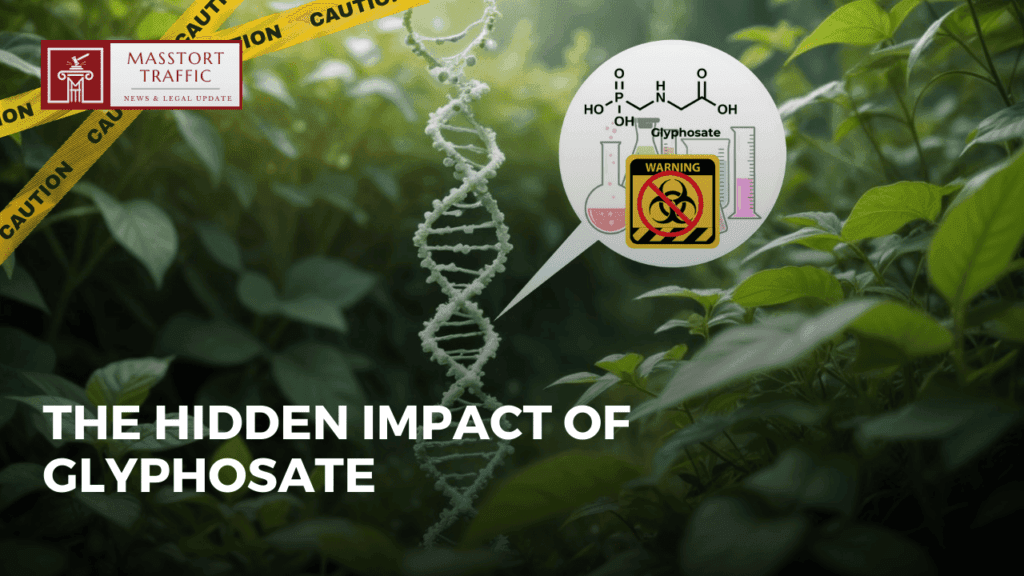
The Hidden Impact of Glyphosate: Understanding Its Effects on Health and the Environment

Introduction:
Imagine a lush, green farm on a bright summer day. The farmer, with decades of experience, walks through the fields, ensuring every crop grows to its fullest potential. But what you might not see is the invisible companion that helps him manage those fields—glyphosate. For years, this powerful herbicide has been a silent partner in agriculture, helping to control weeds and boost crop yields. But as its use has become more widespread, questions have arisen about the true cost of its convenience. How does glyphosate, a seemingly harmless tool, affect our health, the environment, and the food we eat every day?
In this blog, we will unravel the story of glyphosate, exploring its benefits, risks, and the ongoing debate about its place in our world. Whether you’re a farmer, a gardener, or just someone concerned about the chemicals in your food, this journey will equip you with the knowledge you need to make informed decisions.
Table of Contents
What is Glyphosate?
Overview of Glyphosate and Its Common Uses
Glyphosate is a widely used herbicide that has become a cornerstone of modern agriculture. Developed in the 1970s by Monsanto, glyphosate is known for its ability to kill weeds by targeting an enzyme that is essential for plant growth. This non-selective herbicide works on a variety of plants, making it an effective solution for controlling unwanted vegetation in fields, gardens, and even public spaces.
Farmers, landscapers, and homeowners use glyphosate for different purposes. It’s commonly applied in the following settings:
- Agriculture: Glyphosate is extensively used in farming, especially on crops like corn, soybeans, and cotton that have been genetically modified to resist the herbicide. This allows farmers to control weeds without damaging their crops.
- Gardens and Lawns: Homeowners and landscapers use glyphosate to manage weeds in lawns, gardens, and along driveways.
- Industrial Areas: Glyphosate is also used to clear weeds in industrial sites, railway lines, and along highways.
- Forestry: In forests, glyphosate helps manage invasive species and clear land for tree planting.
Despite its widespread use, glyphosate has sparked significant debate over its safety, leading to ongoing research and discussions about its long-term impact.

How Does Glyphosate Work?
The Science Behind Glyphosate’s Effectiveness as an Herbicide
Glyphosate works by inhibiting a specific enzyme pathway called the shikimic acid pathway, which is crucial for the growth of plants and some microorganisms. This pathway is not found in animals, which is why glyphosate was initially considered safe for humans and other non-target organisms.
When glyphosate is applied to the leaves of plants, it is absorbed and translocated throughout the plant, leading to the disruption of the production of essential proteins. Without these proteins, the plant cannot grow, leading to its eventual death. This makes glyphosate an effective tool for controlling a wide range of weeds.
One of the reasons for glyphosate’s popularity is its non-selective nature—it can kill nearly any plant it comes into contact with. However, this also means that care must be taken when applying it to avoid damaging desirable plants.
Exposure to Glyphosate
Pathways Through Which People and Animals Might Be Exposed
Exposure to glyphosate can occur in several ways, particularly for those who work with or near the herbicide. Understanding these exposure pathways is essential for minimizing potential health risks.
- Occupational Exposure: Individuals who work in agriculture, landscaping, or grounds maintenance are at a higher risk of exposure. This can happen through inhalation of spray droplets, direct contact with the skin, or accidental ingestion.
- Residential Exposure: Homeowners who use glyphosate-based products on their lawns or gardens may be exposed if they don’t follow safety precautions. Children and pets are particularly vulnerable if they come into contact with treated areas before the herbicide has dried.
- Environmental Exposure: Glyphosate can also be present in the environment, particularly in areas where it has been used extensively. It can bind to soil particles and, under certain conditions, be found in water sources near treated areas. However, its tight binding to soil usually limits its mobility.
Understanding these exposure pathways is crucial, as it helps in adopting practices that can reduce the risk of harmful effects from glyphosate.
Health Effects of Glyphosate
Short-Term and Long-Term Health Impacts of Glyphosate Exposure
The health effects of glyphosate are a subject of ongoing research and debate. While glyphosate is generally considered low in toxicity, both short-term and long-term exposures can have different impacts.
- Short-Term Exposure: Brief exposure to glyphosate can lead to mild symptoms, such as skin or eye irritation. Inhalation of spray mist can cause irritation of the nose and throat, while ingestion can result in nausea, vomiting, or diarrhea. Pets exposed to glyphosate may exhibit symptoms like drooling, vomiting, or lethargy.
- Long-Term Exposure: The long-term health effects of glyphosate are more controversial. Some studies suggest that prolonged exposure may be linked to more serious health conditions, including liver and kidney damage, reproductive issues, and developmental problems. However, regulatory bodies like the U.S. Environmental Protection Agency (EPA) have stated that glyphosate is unlikely to pose a significant health risk when used as directed.
Given the mixed findings, it’s crucial to minimize unnecessary exposure to glyphosate, especially for those who use it regularly in their work or home environments.
Environmental Impact of Glyphosate
Effects of Glyphosate on Soil, Water, and Wildlife
Glyphosate’s impact extends beyond human health, affecting the environment in various ways. Understanding these effects is essential for making informed decisions about its use.
- Soil: Glyphosate binds strongly to soil particles, which limits its mobility but can also impact soil health. It is broken down by soil microbes over time, with its persistence depending on soil composition and environmental conditions. Some studies suggest that glyphosate may disrupt soil microbial communities, potentially affecting soil fertility and plant health.
- Water: While glyphosate binds tightly to soil and is less likely to leach into groundwater, it can still enter surface water through runoff, especially after heavy rainfall. In aquatic environments, glyphosate can affect plant life and, by extension, the organisms that rely on those plants for food and habitat.
- Wildlife: The direct toxicity of glyphosate to birds, fish, and other wildlife is generally low, but its indirect effects, such as habitat alteration, can be significant. For instance, the elimination of certain plants can reduce food availability and shelter for various species.
The environmental impact of glyphosate underscores the need for careful management and consideration of alternatives, especially in sensitive ecosystems.
Glyphosate and Cancer: The Controversy
Examination of Studies Linking Glyphosate to Cancer
The link between glyphosate and cancer has been the subject of intense scrutiny, leading to conflicting opinions among scientists, regulators, and the public.
- Regulatory Assessments: Major regulatory bodies, including the EPA, the European Food Safety Authority (EFSA), and Health Canada, have reviewed extensive data and concluded that glyphosate is unlikely to be carcinogenic to humans when used according to label instructions.
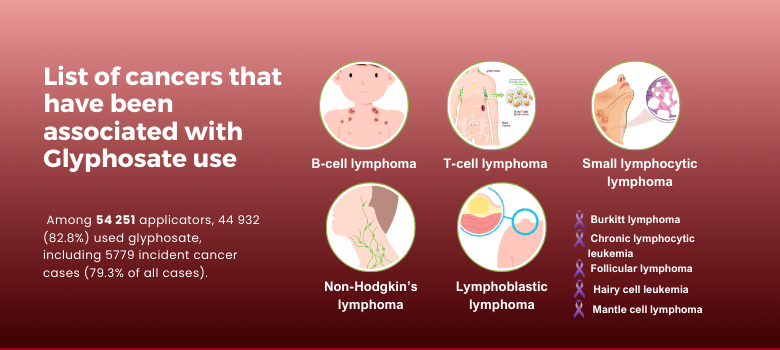
- IARC Classification: In contrast, the International Agency for Research on Cancer (IARC), a branch of the World Health Organization (WHO), classified glyphosate as “probably carcinogenic to humans” in 2015. This classification was based on limited evidence of cancer in humans and sufficient evidence of cancer in experimental animals.
- Recent Studies: Ongoing research continues to explore the potential link between glyphosate and cancer, with some studies suggesting an increased risk of non-Hodgkin lymphoma among those with high exposure. However, the overall evidence remains mixed, and more research is needed to reach definitive conclusions.
Given the uncertainty, it’s important to stay informed and follow safety guidelines to minimize exposure.
Protecting Yourself from Glyphosate Exposure
Practical Tips for Minimizing Exposure in Everyday Life
Whether you’re a professional applicator or a homeowner using glyphosate in your garden, there are several steps you can take to protect yourself and your family from exposure.
- Follow Label Instructions: Always read and follow the product label carefully. This includes wearing protective clothing, such as gloves, long sleeves, and pants, and using eye protection if there’s a risk of splashing.
- Avoid Drift: Apply glyphosate on calm days to reduce the risk of spray drift. Be mindful of wind direction and avoid spraying near desirable plants.
- Wash Thoroughly: After handling glyphosate, wash your hands, face, and any exposed skin thoroughly. If you’ve been working in an area where glyphosate was used, change and wash your clothes before coming into contact with others, especially children.
- Keep Children and Pets Away: Ensure that children and pets are kept out of treated areas until the glyphosate has fully dried, as this reduces the risk of exposure through skin contact or ingestion.
By taking these precautions, you can significantly reduce the risk of adverse effects from glyphosate.
The Future of Glyphosate
Regulatory Perspectives and Alternatives to Glyphosate Use
As the debate over glyphosate continues, the future of its use remains uncertain. Regulatory bodies worldwide are re-evaluating its safety and effectiveness, with some countries and regions moving toward restrictions or outright bans.
- Regulatory Actions: In the European Union, glyphosate’s approval has been the subject of intense debate, leading to temporary extensions and ongoing assessments. Some countries, like Austria, have voted to ban glyphosate, while others continue to allow its use under strict regulations.
- Alternative Herbicides: As concerns about glyphosate grow, researchers and companies are exploring alternative herbicides that may offer similar benefits with fewer health and environmental risks. These include both synthetic and natural products, as well as innovative farming practices that reduce the need for herbicides altogether.
- Sustainable Agriculture: The push for more sustainable agricultural practices is also driving the search for alternatives to glyphosate. Techniques like crop rotation, cover cropping, and integrated pest management (IPM) are being promoted as ways to reduce reliance on chemical herbicides.
The future of glyphosate will likely involve a combination of continued use in some areas, restrictions in others, and the development of safer, more sustainable alternatives
Stay Informed and Get Expert Legal Guidance
If you or a loved one has been exposed to glyphosate and developed health issues, staying informed about the ongoing litigation is crucial. Consulting with experienced law firms that specialize in Roundup cases can help you understand your legal options. Make sure to seek medical attention promptly and keep detailed records of your exposure and treatment.
For more information or to determine if you qualify for a Roundup lawsuit, reach out to a Roundup lawyer for a free consultation.
Mass Torts Lawsuit
Congress Investigates Uber’s Handling of Sexual Assault Claims

When Congress investigates Uber and its role in handling sexual assault claims, survivors and their families need clarity, reassurance, and a path forward after trauma.
Table of Contents
What does Congress investigates Uber really mean for riders?
Between 2017 and 2022, Uber logged approximately 400,181 reports of sexual assault or misconduct during U.S. trips — or roughly one report every eight minutes. House Oversight Committee+2TorHoerman Law+2
When Congress investigates Uber’s safety practices, it signals that your experience is not isolated — and that accountability may follow.
DID YOU KNOW?
Why Congress investigates Uber: the facts behind the inquiry
Oversight and scrutiny of Uber’s safety protocols
A U.S. House sub-committee chair sent a letter to Uber’s CEO seeking details on how the company:
- screens drivers for past misconduct
- investigates and reports sexual assault complaints
- discloses data to riders and regulators. House Oversight Committee
Such scrutiny means that when Congress investigates Uber, it casts a spotlight on system-wide responsibility — not just the individual driver.
Lawsuits piling up amid safety concerns
Thousands of passengers claim Uber failed to keep them safe—alleging inadequate background checks, lack of video safety features and weak incident response. TorHoerman Law+1
When Congress investigates Uber, it may influence how these lawsuits move forward.
What riders should know about case counts
- The federal multidistrict litigation (MDL) against Uber involves many sexual assault claims. Federal Lawyer
- Uber reported 2,717 serious sexual assault category incidents during 2021–22 in the U.S. Reuters
This means if you were harmed while riding, your claim may be part of broader systemic issues.
If Congress investigates Uber – What this means for you as a survivor
You’re not alone
When Congress investigates Uber, it amplifies the voices of many who suffered similar harm — reinforcing that your experience has broader relevance.
Evidence and claims: why documentation matters
To build your strongest case:
- Keep ride receipts and trip details (date/time, driver name, route). Consumer Notice, LLC
- Preserve medical records, photos, and any reporting you made.
- Note any statements made by Uber or the driver after the incident.
Legal options and next steps
When Congress investigates Uber, legal momentum can shift. For options:
- Consult with a qualified rideshare-injury attorney.
- Ask if your claim can join the MDL or be filed separately.
- Consider whether you were kept in mandatory arbitration (Uber changed this policy in 2018). Helping Survivors
What to ask your attorney when Congress investigates Uber
- Have you handled rideshare assault cases before?
- Will my case join the MDL or be filed alone?
- What evidence do I still need to gather?
- What compensation might be possible (medical costs, trauma, lost wages)?
- How will Congress’s inquiry impact Uber-related cases?
💡 Remember: when Congress investigates Uber, media coverage and legal attention increase — that can benefit your case.
Ready to Take the First Step Toward Justice?
Speak with our trusted legal team today. Your Free, Confidential, No-Obligation Case Evaluation is waiting — and it only takes a minute to begin.
GET YOUR FREE CASE EVALUATION NOW →Prefer to talk now? Call (+1) 210-940-9440 Today
100% Secure & Confidential
|
No Obligation ConsultationBy submitting this form, you agree to be contacted by a trusted legal partner for a free case review. This does not create an attorney-client relationship. Confidential and secure.
Conclusion
When Congress investigates Uber, it signals a turning point for rideshare safety and accountability. If you or a loved one were harmed during an Uber trip, now is the time to speak with an experienced attorney who understands these emerging legal trends — and can help you fight for the justice and healing you deserve.
EXTERNAL SOURCES & REFERENCES
- U.S. House Committee on Oversight and Accountability – “Mace Seeks Information from Uber on Safety Protocols to Prevent Sexual Assault and Misconduct”
🔗 https://oversight.house.gov/release/mace-seeks-information-from-uber-on-safety-protocols-to-prevent-sexual-assault-and-misconduct/ - Reuters – “Uber Found Not Liable in First U.S. Trial Over Driver Sexual Assault Claims” (October 1, 2025)
🔗 https://www.reuters.com/legal/government/uber-found-not-liable-first-us-trial-over-driver-sexual-assault-claims-2025-10-01/ - Consumer Notice.org – “Rideshare Lawsuits: Legal Action Against Uber and Lyft”
🔗 https://www.consumernotice.org/legal/rideshare-lawsuits/ - Helping Survivors.org – “Uber Sexual Assault Lawsuit: Know Your Rights and Legal Options”
🔗 https://helpingsurvivors.org/rideshare-sexual-assault/uber-lawsuit/
“Justice for your child has a deadline. In Rideshare Sexual Abuse lawsuits, delay equals denial. Act now.”
— Visit MassTortTraffic.com or Call (+1) 210-940-9440
Mass Torts Lawsuit
Choosing the Right Attorney for Your Rideshare Assault Claim

Experiencing an assault during a rideshare is a profound violation of trust. If you are a survivor, finding the right rideshare assault lawyer is the first, crucial step toward healing and holding the responsible parties accountable.
You may feel overwhelmed, confused, and unsure where to turn. You are not alone, and you have legal rights.
This guide will help you understand what to look for in an attorney to ensure your case is handled with the compassion, confidentiality, and aggression it deserves.
Table of Contents
Why You Need a Specialized Rideshare Assault Lawyer
A rideshare assault case is not a typical personal injury claim, like a car accident. It is a complex legal matter that often involves two components: the criminal act of the driver and the corporate negligence of the rideshare company, such as Uber or Lyft.
These multi-billion dollar companies have powerful legal teams dedicated to minimizing their financial responsibility. They may try to argue the driver was an “independent contractor” to avoid liability for:
- Negligent hiring practices
- Failure to conduct adequate background checks
- Ignoring previous complaints against the driver
- Inadequate safety features in their app
You need an attorney who specifically understands these complex arguments and has the resources to fight them. A general practice lawyer may not have the specific experience required to navigate the sensitive nature of sexual assault litigation combined with corporate liability law.
Essential Qualities of the Right Legal Team
When you are vetting potential attorneys, you are looking for a unique combination of skill and sensitivity. This person will be your advocate, and you must be able to trust them with the most personal details of your trauma.
A Proven Track Record with Sexual Assault Cases
This is the most critical factor. Ask any potential lawyer if they have experience representing survivors of sexual assault, specifically.
A trauma-informed lawyer understands:
- Confidentiality: They will know how to protect your privacy, potentially filing the lawsuit using a “Jane Doe” or “John Doe” pseudonym to shield your identity from the public.
- Sensitive Communication: They will know how to discuss the details of your case without causing re-traumatization.
- The “Discovery” Process: They will fiercely protect you during depositions (out-of-court testimony) and fight against defense tactics designed to “blame the victim.”
Your attorney should prioritize your well-being just as much as the financial outcome of your case.
Resources to Challenge Large Corporations
Rideshare companies like Uber and Lyft will not settle a case easily. They will use their vast resources to delay and deny claims.
Your chosen law firm must have the financial standing and investigative resources to:
- Hire industry-leading experts (e.g., security experts, psychologists).
- Conduct deep investigations into the driver’s history and the company’s hiring protocols.
- Manage a complex and lengthy legal battle (litigation) if the company refuses to offer a fair settlement.
A Contingency-Fee Agreement
You should never have to pay any money upfront to get justice.
DID YOU KNOW?
A reputable rideshare assault lawyer will operate on a contingency-fee basis. This means they only get paid a percentage of the compensation they recover for you, after they win your case. If they do not win, you owe them no attorney’s fees.
This structure ensures your lawyer is fully motivated to secure the maximum possible compensation for you.
Understanding the Stakes: Why Your Voice Matters
The trauma of sexual violence is immense. In the United States, 1 out of every 6 women has been the victim of an attempted or completed rape in her lifetime. [Source: https://www.rainn.org/statistics/scope-problem]
When this violence occurs in a situation where you are supposed to be safe—like a rideshare—the sense of betrayal is devastating.
Filing a civil claim is not just about money. It is about holding every responsible party accountable. It is about forcing these powerful companies to change their policies, improve their background checks, and protect future riders. Your case can be the catalyst that prevents this from happening to someone else.
An experienced lawyer helps you seek compensation for damages, which may include:
- Medical bills (present and future)
- Psychological counseling and therapy
- Lost wages and diminished earning capacity
- Pain, suffering, and emotional distress
- Punitive damages (designed to punish the company for gross negligence)
Key Questions to Ask During Your Free Consultation
Most personal injury law firms offer a 100% free, confidential case evaluation. This is your opportunity to interview the lawyer—not the other way around.
Come prepared with these questions to find the right fit:
- Have you specifically handled rideshare assault cases against Uber or Lyft? (Look for specific experience, not just general assault cases.)
- What is your approach to protecting my privacy and confidentiality? (Will they file the case under a pseudonym?)
- Who will be my primary point of contact at the firm? (Will you be speaking to the lawyer you’re meeting, or passed to a paralegal?)
- What is your fee structure? (Confirm it is a contingency-fee.)
- What do you see as the main strengths and weaknesses of my case? (Look for an honest, realistic answer.)
- How will you support me if this case goes to trial?
Trust your intuition. The right attorney will make you feel heard, respected, and believed. If you feel dismissed, rushed, or judged, that is not the right lawyer for you.
Ready to Take the First Step Toward Justice?
Speak with our trusted legal team today. Your Free, Confidential, No-Obligation Case Evaluation is waiting — and it only takes a minute to begin.
GET YOUR FREE CASE EVALUATION NOW →Prefer to talk now? Call (+1) 210-940-9440 Today
100% Secure & Confidential
|
No Obligation ConsultationBy submitting this form, you agree to be contacted by a trusted legal partner for a free case review. This does not create an attorney-client relationship. Confidential and secure.
Conclusion
You have already survived the unthinkable; you do not have to fight for justice alone. Choosing the right rideshare assault lawyer is the most important decision you can make right now. Do not wait—take the first step to protect your rights today.
External Resources
- RAINN (Rape, Abuse & Incest National Network): The nation’s largest anti-sexual violence organization, offering statistics and support. https://www.rainn.org
- U.S. Department of Justice | Office on Violence Against Women (OVW): Provides federal leadership in developing responses to violence against women. https://www.justice.gov/ovw
- Victim Connect Resource Center: A confidential helpline for all crime victims in the United States. https://victimconnect.org/
“Justice for your child has a deadline. In Rideshare Sexual Abuse lawsuits, delay equals denial. Act now.”
— Visit MassTortTraffic.com or Call (+1) 210-940-9440
Mass Torts Lawsuit
How Leaked Documents Reveal Uber’s Safety Failures

When you order a rideshare, you place your trust—and your safety—in the hands of a massive corporation. You expect to be safe. But the Uber leaked documents, known globally as “The Uber Files,” paint a disturbing picture. They suggest the company may have prioritized aggressive global growth over protecting its passengers and drivers, potentially putting millions at risk.
For those who have been injured, assaulted, or have lost loved ones in a rideshare incident, this news is more than a headline; it’s a profound betrayal. It suggests the harm you suffered may not have been an isolated incident, but the result of a system designed to look the other way.
Table of Contents
Here is the legal blog content, optimized according to your detailed script.
1) META
- Meta Title (≤ 60 chars): Uber Leaked Documents: An Urgent Look at Safety Failures
- URL Slug:
uber-leaked-documents-safety-failures - Meta Description (115–160 chars): The Uber leaked documents reveal shocking safety risks. If you were harmed, you have rights. Get your free, confidential case review now. Call (+1) 210-940-9440.
- Focused Keyword:
Uber leaked documents - SEO TAGS:
Uber leaked documents,Uber safety failures,The Uber Files,Uber lawsuit,Uber assault lawsuit,Uber passenger safety,Uber driver safety,rideshare assault claim,corporate negligence,Uber kill switch,Get a free case review,personal injury lawyer,Uber accident claim,rideshare negligence
2) FULL BLOG BLOCK (998 words)
How Leaked Documents Reveal Uber’s Safety Failures
When you order a rideshare, you place your trust—and your safety—in the hands of a massive corporation. You expect to be safe. But the Uber leaked documents, known globally as “The Uber Files,” paint a disturbing picture. They suggest the company may have prioritized aggressive global growth over protecting its passengers and drivers, potentially putting millions at risk.
For those who have been injured, assaulted, or have lost loved ones in a rideshare incident, this news is more than a headline; it’s a profound betrayal. It suggests the harm you suffered may not have been an isolated incident, but the result of a system designed to look the other way.
What Are “The Uber Files”?
In 2022, a massive trove of more than 124,000 internal Uber records (from 2013-2017) was leaked by a former top lobbyist, Mark MacGann. This leak was shared with The Guardian and the International Consortium of Investigative Journalists (ICIJ), which analyzed the data.
The documents include emails, text messages, and presentations, revealing a corporate playbook that allegedly valued disruption over compliance.
According to the ICIJ, the files detail:
- Aggressive Lobbying: Secret meetings with prime ministers, presidents, and government officials to influence laws in Uber’s favor.
- Bypassing Regulations: Knowingly launching in markets in defiance of local taxi laws and regulations.
- Obstructing Investigations: Using sophisticated technology to thwart police raids and prevent regulators from accessing company data.
[Source: https://www.icij.org/investigations/uber-files/]
This wasn’t just about business competition. This alleged pattern of deception and regulatory evasion directly ties into the company’s approach to safety.
The “Kill Switch”: A Tool to Evade Law Enforcement
One of the most alarming revelations from the Uber leaked documents was the existence of a “kill switch.” This tool, reportedly codenamed “Ripley,” was allegedly used during police raids on Uber’s international offices.
DID YOU KNOW?
When activated, the kill switch would effectively cut access from that office’s computers to the main company servers. This prevented investigators from seeing sensitive data on company operations, safety incidents, or driver information.
Why This Matters for Passenger and Driver Safety
This wasn’t just about protecting trade secrets. Police and regulators investigate serious crimes, including physical assaults, sexual assaults, and fatal accidents.
By allegedly deploying a “kill switch,” the company may have obstructed active criminal investigations. It demonstrates a culture that, when faced with legal oversight, chose to hide information rather than cooperate. For victims seeking justice, this practice is a devastating blow. It raises the question: What else were they trying to hide?
Prioritizing Growth Over Safety: The Real-World Impact
The Uber Files suggest a corporate mindset fixated on “blitzscaling”—growing as fast as possible, whatever the cost. This aggressive expansion allegedly came at the expense of proper driver vetting and passenger safety protocols.
The Link Between Lax Vetting and Passenger Assaults
To fuel its rapid growth, Uber needed millions of drivers, fast. In many markets, this meant pushing back against strict background check requirements, such as fingerprint-based checks, that were standard for traditional taxi services.
While Uber has since updated many of its safety features, the culture exposed in the leaks is critical. The documents show executives were aware of the risks, including violence and assaults, but continued their aggressive tactics.
This alleged failure to prioritize safety has had devastating, real-world consequences.
- In its 2019-2020 U.S. Safety Report, Uber itself disclosed 3,824 reports of the five most severe categories of sexual assault. [Source: https://www.uber.com/newsroom/us-safety-report-2022]
- Thousands of passengers and drivers have reported physical assaults, carjackings, and harassment.
When a corporation is aware of safety risks—such as the risk of assault—but fails to implement reasonable safety measures (like robust background checks), it may be held legally responsible for the harm that results.
The Dangers for Drivers
The leaks also highlight the risks faced by drivers. Uber’s aggressive push into new, sometimes volatile markets, allegedly put drivers on the front lines with little protection. Drivers were classified as independent contractors, which critics argue was a way for Uber to avoid the costs of employment, including safety training, benefits, and liability insurance.
The documents reportedly show that when drivers faced violence, the company’s primary response was often focused on managing the “PR” fallout rather than addressing the root causes of the danger.
How the Uber Leaked Documents Can Impact Your Legal Claim
If you or a loved one was harmed while using Uber, these leaked documents are not just corporate gossip. They are potentially powerful evidence in a personal injury lawsuit.
To win a negligence lawsuit, your attorney must generally prove four things:
- Duty: Uber had a legal “duty of care” to keep you reasonably safe.
- Breach: Uber breached that duty through its actions or inaction (e.g., poor background checks, ignoring complaints).
- Causation: This breach directly caused your injuries.
- Damages: You suffered actual harm (medical bills, emotional distress, etc.).
The Uber Files are most powerful for proving the “breach” of duty. They can help an attorney establish a pattern of negligence. They show what the company’s executives knew, when they knew it, and what they chose to do (or not do) with that information.
This evidence can transform a case from a “he said, she said” incident into a clear demonstration of corporate-wide failure to protect the public.
[Learn More: Understanding Your Rights as a Rideshare Passenger]
What Compensation Can You Seek in an Uber Lawsuit?
While no amount of money can undo the trauma of an assault or a serious accident, a lawsuit can provide the financial resources you need to heal and hold the company accountable.
If you were harmed, you may be entitled to compensation for:
- Medical Expenses: This includes emergency room visits, hospital stays, future surgeries, medication, and psychological counseling.
- Lost Wages: Compensation for the time you were unable to work due to your injuries, as well as any future loss of earning capacity.
- Pain and Suffering: This compensates for the physical pain and emotional distress you endured.
- Emotional Distress: Specifically for the psychological trauma, anxiety, and PTSD that often result from violent assaults.
- Punitive Damages: In cases of extreme corporate misconduct, a court may award punitive damages. These are not meant to compensate the victim, but to punish the company for its reckless behavior and deter it from happening again. The evidence in the Uber leaked documents could be crucial in arguing for these damages.
Ready to Take the First Step Toward Justice?
Speak with our trusted legal team today. Your Free, Confidential, No-Obligation Case Evaluation is waiting — and it only takes a minute to begin.
GET YOUR FREE CASE EVALUATION NOW →Prefer to talk now? Call (+1) 210-940-9440 Today
100% Secure & Confidential
|
No Obligation ConsultationBy submitting this form, you agree to be contacted by a trusted legal partner for a free case review. This does not create an attorney-client relationship. Confidential and secure.
Conclusion
The Uber leaked documents reveal a troubling history that prioritized profits over people. If you were harmed as a passenger or driver, you deserve justice. Contact a skilled personal injury attorney today to understand your legal rights and take the first step toward holding a powerful corporation accountable.
External Sources
The International Consortium of Investigative Journalists (ICIJ): This source details the “Uber Files” investigation.
- Link:
https://www.icij.org/investigations/uber-files/
Uber’s U.S. Safety Report: This is Uber’s own data on safety incidents, including sexual assault statistics, for 2019-2020.
- Link:
https://www.uber.com/newsroom/us-safety-report-2022
“Justice for your child has a deadline. In Rideshare Sexual Abuse lawsuits, delay equals denial. Act now.”
— Visit MassTortTraffic.com or Call (+1) 210-940-9440
Mass Torts Lawsuit1 year agoZantac Lawsuit Health Risks, Legal Actions, and Settlement Updates 2024
Mass Torts Lawsuit1 year agoRoundup Lawsuit 2025: What You Need to Know About Glyphosate Claims
Mass Torts Lawsuit1 year agoThe Roundup Non-Hodgkin’s Lymphoma Lawsuit: A Journey Through the Legal Battle
Roundup Weed Killer1 year agoEverything You Need to Know About Roundup Lawsuit
Mass Torts Lawsuit1 year agoTop 5 Glyphosate Health Risks: Shocking Facts About Roundup Exposure You Need to Know
Mass Torts Lawsuit1 year agoHow to Join the Zantac Lawsuit Mass Tort | Zantac Settlement Guide
Mass Torts Lawsuit1 year agoZantac Lawsuit Statute of Limitations | What You Need to Know
Mass Torts Lawsuit1 year agoBest Law Firm for Roundup Lawsuits: Do You Qualify to File a Roundup Lawsuit?